 Uzm. Dr. Hasan Keleş
- April 14, 2026
- 2 min read
- Safety and First Aid
- — reads
Every child learning to walk falls, bumps, and trips. The vast majority of head injuries are mild and resolve with observation at home. But some signs can indicate a serious injury. In this article, we clarify which situations can be observed at home and which are emergencies.
Situations Requiring Immediate Emergency Services (112) / ER
If any of the following alarm signs appear after a fall, do not lose time:
- Loss of consciousness, even if brief
- Repeated vomiting (more than 1-2 times)
- Having a seizure (convulsion)
- Loss of balance, inability to walk, constant drowsiness, inability to be woken
- Slurred speech, double vision, differences in the pupils
- Clear fluid/blood leaking from the nose or ears
- Progressively growing swelling or a depression; a fall from a height in a baby under 2 years
Can Observation at Home Be Enough?
If the child cries immediately after the fall and calms down quickly, has not vomited, and is behaving normally, observation at home is usually sufficient. During the first 24-48 hours:
- Monitor their behavior, balance, and alertness; gently check on them periodically while they sleep.
- Apply a cold compress to the swollen area.
- If, after calming down, vomiting recurs, the headache worsens, or restlessness begins, consult a doctor.
For a persistent headache, our article on headaches in children can help with making distinctions.
Prevention
- Never leave a baby alone on a high surface (changing table, bed, sofa).
- Install a safety gate at the top of stairs and protectors on table corners.
- Use an age-appropriate car seat in the vehicle; add protection to windows and balconies.
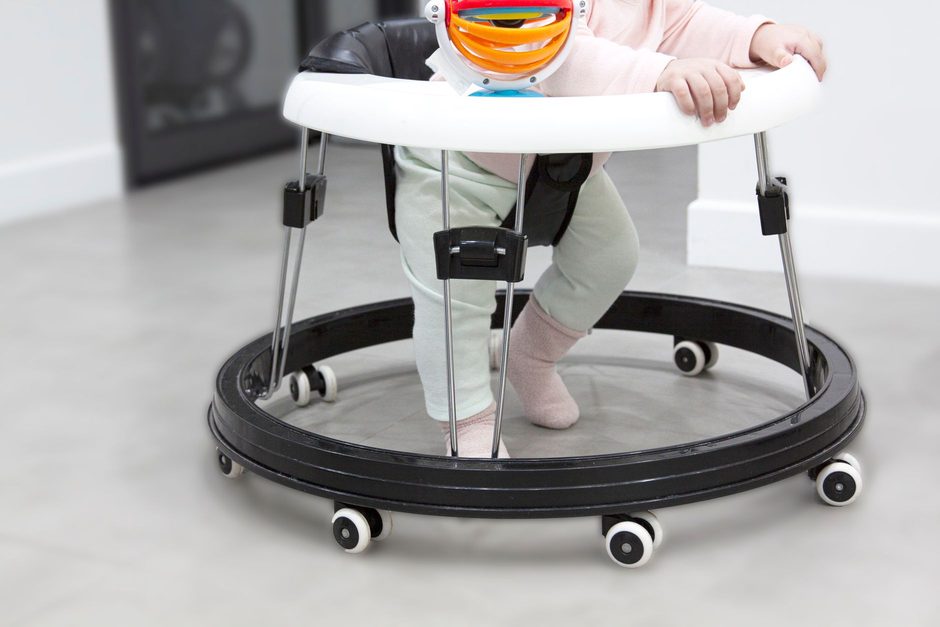
- Do not use a baby walker; it increases the risk of falls and injury.
Although most bumps are mild, knowing the alarm signs saves lives. For a general approach, you can see our first aid in children guide.
📅 Book an appointment for child health
This content is for informational purposes; in case of alarm signs call emergency services (112), and consult your doctor for diagnosis and treatment. — Uzm. Dr. Hasan Keleş
Frequently Asked Questions
If there is loss of consciousness, repeated vomiting, a seizure, loss of balance, persistent crying or drowsiness, fluid leaking from the nose/ears, or progressively increasing swelling, go to the hospital/call emergency services (112) without delay.
You may let the child sleep; however, during the first few hours wake them periodically and check their consciousness, breathing, and responses. If they cannot be woken or are behaving strangely, seek medical help immediately.
Apply a cold compress wrapped in a clean cloth for 15-20 minutes. Do not put ice directly on the skin; the swelling subsides within a few days.
📅 Book an appointment for your child's health
Book an online appointment with Specialist Dr. Hasan Keleş in Gaziantep — instant confirmation.
Book an Appointment Online