 Uzm. Dr. Hasan Keleş
- April 13, 2026
- 2 min read
- Oral and Dental Health
- — reads
The first tooth is one of the developmental milestones families eagerly await, but it can also bring restless nights. Recognizing the teething process correctly prevents unnecessary worry and the mistaken interpretation of a "teething fever." In this article you will find the symptoms and ways to soothe your baby safely.
When Does It Start?
The first baby tooth usually appears between the 6th and 10th month, most often as the lower front incisors. By around age 3, all 20 baby teeth are complete. Early (4 months) or late (after 12 months) eruption is also largely normal.
Symptoms of Teething
- Swelling, redness, and tenderness of the gums
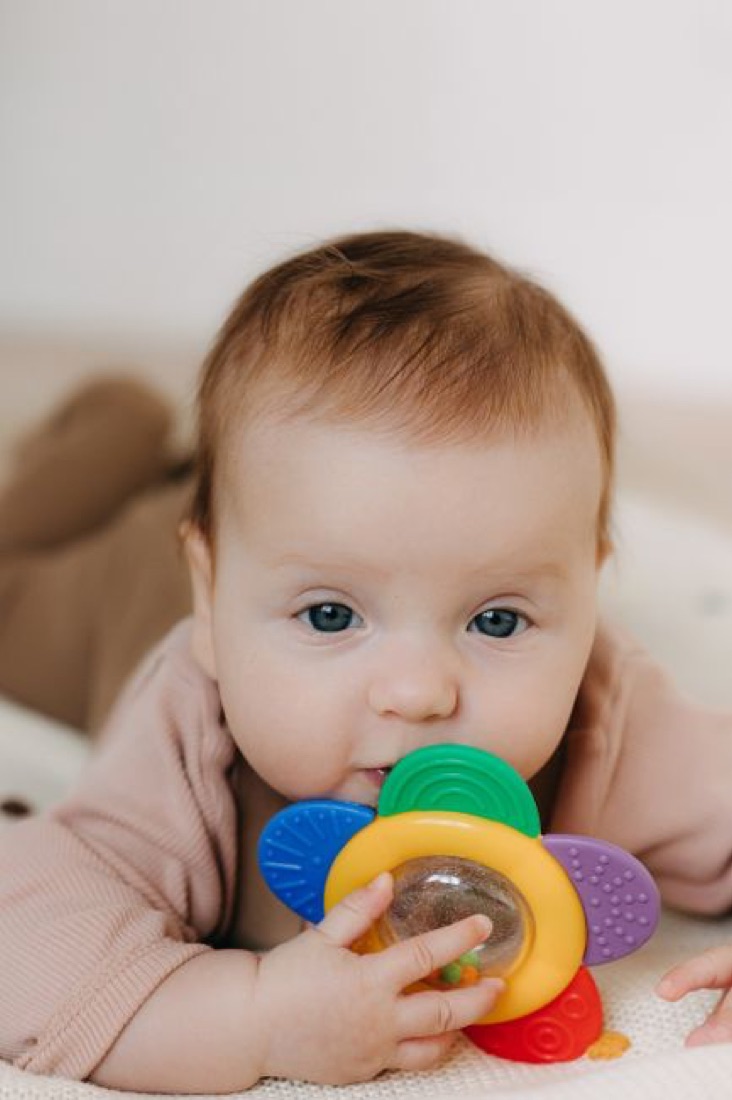
- Increased drooling and putting everything in the mouth, the urge to bite
- Restlessness, temporary disruption of sleep patterns
- Reduced appetite, mild redness of the cheeks
Is "Teething Fever" Real?
Teething may cause a mild rise in temperature (usually below 38°C). However, a high fever of 38.5°C or above, diarrhea, or vomiting should not be attributed to teething — during this period the baby's immune system may also have caught an infection. For this reason, always evaluate a high fever separately; for details, see our article on how to reduce fever in babies.
Safe Soothing Methods
- Gum massage: Gently press on the gum with your clean finger.
- Chilled teether: Teethers chilled in the refrigerator (not frozen) provide relief.
- Cool foods: After 6 months, cold and soft foods under supervision.
- Wipe away drool: Keep the skin dry to prevent irritation on the chin and neck.
What to avoid: Honey (unsafe under age 1), non-prescription teething gels, and amber teething necklaces (choking/strangulation risk) are not recommended.
When to See a Doctor?
If there is a high fever, diarrhea, refusal to feed, or marked restlessness, consult your doctor rather than attributing it to teething. With the first teeth, it is also important to move on to oral care and the topic of tooth brushing and the first dental visit.
In Şahinbey, Gaziantep, you can make use of our well-child monitoring service to regularly track your baby's development.
📅 Book an appointment for a child health check-up
This content is for informational purposes; consult your doctor for diagnosis and treatment. — Uzm. Dr. Hasan Keleş
Frequently Asked Questions
Teething may cause a mild rise in temperature (below 38°C); however, it is incorrect to attribute a high fever of 38.5°C or above to teething. A high fever is most often caused by an underlying infection and should be evaluated.
The first tooth usually appears between 6 and 10 months; in some babies it may show at 4 months and in others after 12 months. This wide range is normal.
Gum massage with a clean finger, a chilled (not frozen) teether, and cool foods after 6 months provide relief. Do not use teething gels without consulting a doctor.
📅 Book an appointment for your child's health
Book an online appointment with Specialist Dr. Hasan Keleş in Gaziantep — instant confirmation.
Book an Appointment Online