 Uzm. Dr. Hasan Keleş
- July 26, 2026
- 3 min read
- Ear, Nose and Throat
- — reads
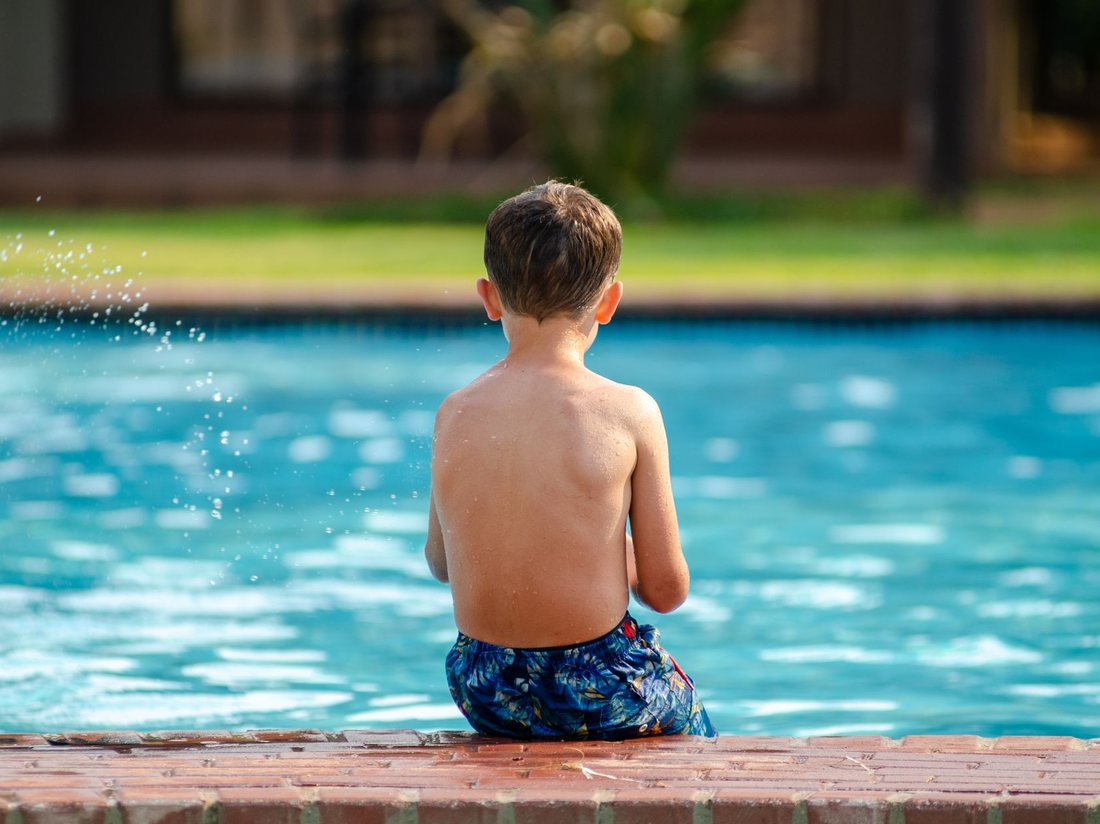
In the summer months, it is very common for a child who has just come out of the pool or the sea to say, "My ear hurts." The condition popularly known as "swimmer's ear" is medically called an infection of the outer ear canal (otitis externa). It is an inflammation of the ear canal that runs from the outer ear to the eardrum, and it is a separate condition, distinct from a middle ear infection. Your concern is natural; however, most cases settle quickly with the right approach.
Normally, a thin layer of earwax and a mildly acidic environment protect the outer ear canal. When water stays in the canal for a long time, it disrupts this protective layer, makes the environment moist, and creates the conditions for bacteria (most often Pseudomonas) to multiply. Trying to clean the ear with a cotton swab or scratching it also scratches the skin of the canal and makes infection easier.
Symptoms
- Pain that noticeably increases when the outer ear is pulled or when the small projection in front of the ear (the tragus) is pressed — this is the most typical sign of an outer ear infection
- Itching, fullness, and a sense of pressure in the ear
- Reduced hearing and muffled sounds due to swelling of the canal
- Discharge that is clear at first and then yellowish and pus-like
- Redness, swelling, and tenderness at the entrance of the ear
- There is usually no high fever; if fever is marked, another condition is considered
This picture differs from middle ear pain, which follows a cold and worsens when lying down. To clarify the difference, you may also want to read our article on middle ear infection (otitis).
What to Do at Home
- Keep the ear dry; take a break from swimming and going into the water
- Paracetamol or ibuprofen at the dose recommended by your doctor eases the pain
- Do not insert cotton swabs, tissues, or fingers into the canal; scratching worsens the inflammation
- Do not, on your own initiative, put olive oil, alcohol, cologne, breast milk, or herbal mixtures into the ear
- A warm compress applied externally, around the ear, may slightly ease the pain
- When the physician deems it appropriate, use the prescribed drops regularly and for the full duration
For treatment, the physician usually recommends ear drops that reduce the inflammation and swelling after confirming that the eardrum is intact. If there is a perforation in the eardrum, some drops may be unsafe, so drops should only be used after an examination.
When to See a Doctor / Go to the Emergency Room
- Redness and swelling spreading to the outer ear, the face, or the neck
- The addition of fever, or increasingly severe pain
- Swelling and redness behind the ear with the ear being pushed forward (suspicion of a deeper infection)
- Signs of nerve involvement such as facial drooping or a drooping corner of the mouth
- Foul-smelling, profuse discharge from the ear
- Complaints that do not improve or that worsen within 48–72 hours
- In the presence of diabetes or a condition that suppresses immunity, every outer ear infection should be evaluated by a physician
For the general causes of ear pain and the initial approach to night-time pain, the article on ear pain in children may be a helpful guide.
Prevention
- After the pool or the sea, tilt the head to each side to let the water drain out, and dry the ear on the outside with a towel
- Do not use cotton swabs, as they scratch the canal; earwax is expelled on its own
- In children who swim frequently, a suitable ear plug may be considered on a physician's advice
- Gently drying the ear with a hair dryer on the lowest heat and held at a distance reduces moisture
- Choose clean, well-maintained pools and clean sea water
For general precautions about the pool, the sea, and the sun throughout the summer, you may also read the article on babies at the pool, the sea, and in the sun.
📅 Online appointment for your child: Uzm. Dr. Hasan Keleş — appointment page
Related articles: Ear pain in children · Middle ear infection (otitis) · Babies at the pool, the sea, and in the sun
This article is for general information purposes only and is not a substitute for diagnosis and treatment. For any concerns about your child's health, always consult a specialist in pediatrics.
Uzm. Dr. Hasan Keleş — Specialist in Pediatrics, Gaziantep
Frequently Asked Questions
In an outer ear infection, the pain increases noticeably when the outer ear is pulled or the tragus is pressed, and it usually follows swimming. A middle ear infection, on the other hand, usually follows a cold, worsens when lying down, and is more often accompanied by fever.
No. No home mixture or alcohol should be put into the ear; it can worsen the inflammation and, if the eardrum is perforated, can cause harm.
It is generally recommended not to go into the water until the pain and discharge have completely resolved and the physician gives approval. The length of time varies with the severity of the infection.
In children who have frequent outer ear infections, using a properly fitted plug and drying the ear after swimming can help reduce recurrences.
📅 Book an appointment for your child's health
Book an online appointment with Specialist Dr. Hasan Keleş in Gaziantep — instant confirmation.
Book an Appointment Online