 Uzm. Dr. Hasan Keleş
- April 6, 2026
- 2 min read
- Behavior and Mental Health
- — reads
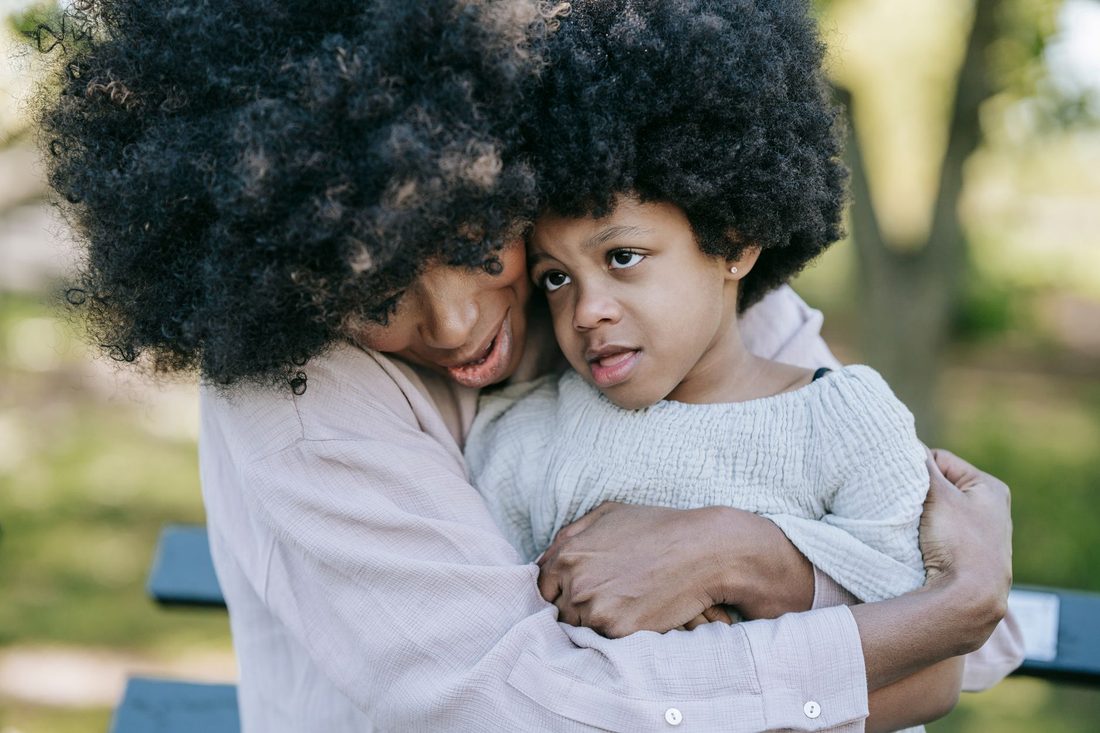
A child who is afraid of the dark, of being alone, or of going to school... Fear and anxiety are a natural part of development and most often reflect the child's effort to make sense of the world. What matters is managing these emotions without belittling them, but also without blowing them out of proportion.
Typical Fears by Age
- Infancy–2 years: Loud noises, strangers, separation anxiety.
- 3–6 years: Darkness, sleeping alone, imaginary creatures (monsters), animals.
- School age: School anxiety, failure, social settings, health-related fears.
Most of these fears are temporary and decrease with the right approach.
How Should Parents Respond?
- Don't belittle the emotion: Instead of "Don't be silly, there's nothing to be afraid of," say "I understand that you're scared, I'm here with you."
- Provide reassurance, but don't reinforce avoidance: Avoiding the feared situation entirely makes anxiety grow; a gradual and supported approach helps.
- Routine and predictability increase the sense of security.
- Set an example: A calm, zero-panic reaction sends the child the message "this is manageable."
Physical Signs of Anxiety
Children often express anxiety through the body: recurring abdominal pain, headache, sleep problems, nail biting, or changes in appetite. When a physical cause has been ruled out, anxiety may underlie these complaints.
When to Seek Professional Support?
If anxiety clearly disrupts going to school, sleep, friendships, or daily life, if it lasts a long time, or if it reaches the level of panic, support should be sought from a specialist. Early support, in most cases, provides quick and lasting relief.
To have your child evaluated holistically (physical + developmental) in Şahinbey, Gaziantep, you can make use of our developmental assessment service.
📅 Book an appointment for assessment
This content is for informational purposes; consult your physician for diagnosis and treatment. — Uzm. Dr. Hasan Keleş
Frequently Asked Questions
Yes. Fear of the dark, being alone, strangers, animals, or imaginary creatures is a normal part of development at certain ages and most often subsides on its own.
Separation anxiety is especially pronounced between 8 months and 3 years of age and is normal. It may temporarily reappear during the school years; a patient and consistent approach helps.
Support should be sought if anxiety clearly disrupts daily life, sleep, going to school, or friendships, if it lasts a long time, or if it causes physical complaints (abdominal pain, headache).
📅 Book an appointment for your child's health
Book an online appointment with Specialist Dr. Hasan Keleş in Gaziantep — instant confirmation.
Book an Appointment Online