 Uzm. Dr. Hasan Keleş
- August 9, 2026
- 6 min read
- Behavior and Mental Health
- — reads
When a new baby comes home, the family's balance changes completely. The person most affected by this change is often not the parents, but the older sibling who had been the only child of the household until that day. One of the sentences I hear most often in the clinic is this: "Doctor, they were such an easygoing child, but after their sibling was born we couldn't recognize them anymore." Sibling jealousy is not a parenting mistake or a flaw in your child's character; it is a completely expected, developmental reaction of a child who has to share the person they love.
In this article I explain what sibling jealousy means in a child's inner world, what signs it shows, what you can do starting from before birth, and in which situations you should see a doctor.
What Is the Child Actually Experiencing?
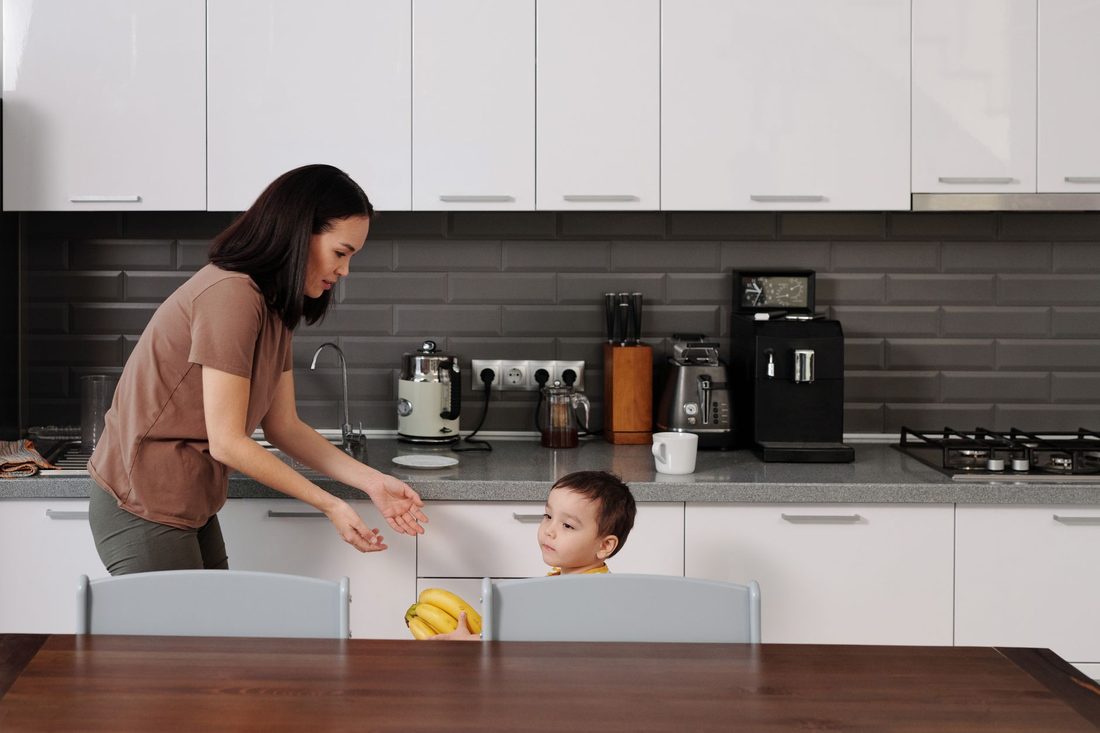
Seen through adult eyes, the picture is simple: a baby has joined the family. Through the eyes of a three-year-old, however, the situation is very different. In their world, the mother's lap, the father's knee, the night's sleep, and the attention of guests are limited resources, and this resource has been split in two overnight.
The child interprets it like this:
- "They brought a new child because I wasn't good enough."
- "I'm not the little one anymore, no one is looking after me."
- "Maybe if I get angry, they'll send it back."
These thoughts are not expressed in words. Young children express their feelings not with sentences but with their behavior. That is why jealousy usually appears not as "I'm jealous" but as stubbornness, crying fits, sleep disturbances, or clinging too much to the baby.
An important point: jealousy is at the same time a sign of healthy attachment. A child who is not attached to their parents would not be bothered by sharing them.
Signs of Sibling Jealousy
The signs vary with age. The commonly seen patterns are:
1. Regression behaviors
This is when the child temporarily loses skills they had previously gained. It is the most common sign and the one that worries families the most:
- Starting to wet themselves after having learned to stay dry
- Asking for a bottle, pacifier, or to be held
- Talking like a baby, saying "I'm a baby too"
- Not eating unless fed, even though they could eat on their own
This picture is especially common in children who have just completed toilet training. So as not to push the process from the start, we covered the right timing and common mistakes of toilet training in children in a separate article; one of the most practical tips is not to start toilet training during the period when a sibling is expected.
2. Anger and defiance
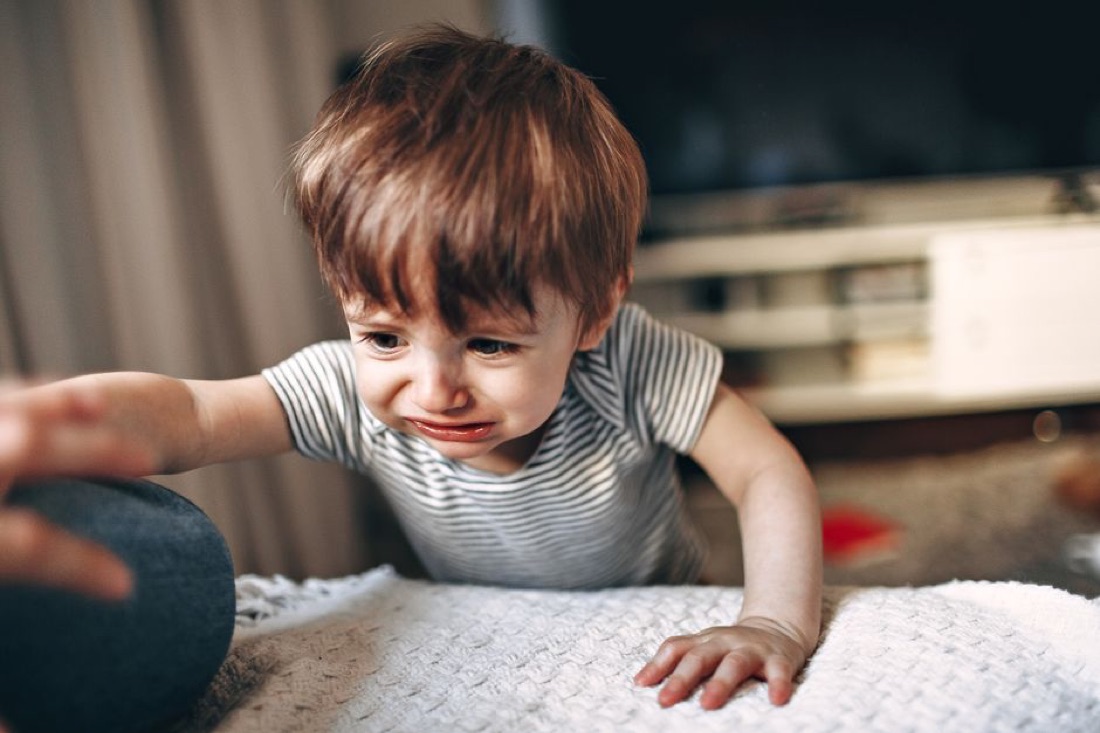
Overreacting to small things, throwing themselves on the floor, throwing objects, saying "no" more often. During this period, temper tantrums can become both more frequent and more severe. We explained step by step what to do during a meltdown in our article on managing temper tantrums in children.
3. Signs of anxiety
Being unable to separate from the mother, refusing to go to bed alone, fear of the dark, not wanting to go to daycare, and physical complaints such as stomachache. You can find out at what age separation anxiety is normal and when it needs support in our article on anxiety and fears in children.
4. Behaviors directed at the baby
These can appear at both extremes:
- The aggressive extreme: pushing, pinching, snatching the toy, saying "make it go away"
- The overly possessive extreme: not letting go of the baby, constantly wanting to hold them, hugging them so tightly it could smother them
The second group looks innocent but poses a physical risk for a small baby; the two should not be left alone together unsupervised.
5. Other signs
Disruption of the sleep pattern, waking at night, loss of appetite or, conversely, overeating, nail biting, and if of school age, a decline in academic performance and irritability at school.
What Determines the Intensity of the Jealousy?
Not every child reacts with the same intensity. The main factors that make the process easier or harder are:
- Age gap: Reactions are usually most pronounced in the 1.5-4 year range. A very young child cannot grasp the situation, while an older child adjusts more easily because they can express themselves in words.
- Temperament: In children who adjust to change with difficulty and withdraw in new situations, the process can take longer.
- Keeping the routine: When bedtime, mealtimes, daycare, and play habits are preserved, the child feels safe.
- The family's fatigue level: During the postpartum period, the mother's sleeplessness and mood naturally limit her attention. In this period, the father and the grandparents stepping in acts as a buffer for the older child.
- Tension at home: When arguments and tension at home increase, the child's reactions also become more pronounced.
Most of these factors can be changed. It is not possible to prevent jealousy entirely; the goal is for the child to get through this change safely.
What Can Be Done Before Birth
The thing that most reduces the intensity of jealousy is starting the preparation before birth.
- Tell them in a timely and simple way. For preschool children, it is enough to tell them in mid-pregnancy, when the belly becomes noticeable.
- Be realistic. Do not say "a playmate is coming for you." A newborn baby cannot play for months; this promise creates disappointment. Instead say, "At first they will sleep a lot and cry a lot, and when they grow up you'll play together."
- Bring big changes forward. Plan steps like changing rooms, changing beds, starting daycare, or giving up the pacifier at least 2-3 months before birth or a few months after birth. Changes crammed into the same week send the child the message "they pushed me out because of the baby."
- Involve them in tasks related to the baby. Small jobs like choosing clothes or preparing the room create a sense of belonging.
- Talk about the hospital days in advance. Clearly explain who they will stay with and how many days the mother will be away. Uncertainty increases anxiety in the child.
After Birth: Practical Tips
1. Plan the first meeting. At the first meeting, whether at the hospital or at home, let the mother's arms be free; have the baby in the crib or in someone else's arms. Let the mother hug the older child first.
2. Set aside 10-15 minutes a day of "time that belongs only to you." Phone off, uninterrupted, an activity the child chooses. Rather than giving constant attention, short but fully focused time works.
3. Avoid the pressure of "You're a big sister/brother now." This sentence places a burden and ignores the child's need to remain little. If they want to come to your lap, take them; allowing regression behaviors shortens them, it does not prolong them.
4. Name the feeling, limit the behavior. "You might be angry at the baby, waiting so long for your mom is hard. But no hitting. When you're angry, come to me and we'll solve it together." Forbidding the feeling drives jealousy underground.
5. Do not compare. Sentences like "Look, your sibling isn't crying," "you weren't like this" feed rivalry.
6. Guide visitors. When all the guests turn toward the baby, the older child feels invisible. Ask your relatives to greet the older child first.
7. Do not use the baby as an excuse. Instead of "Your sibling is sleeping, we can't play," saying "Let's play a quiet game now, then we'll go out to the garden" keeps the child from seeing the baby as the culprit.
8. Notice the good moments. Noticing a moment when they are gentle with the baby and praising it by name ("you fixed their blanket, you were so gentle") increases that behavior.
9. Do not increase screen time. During tiring periods, the easiest solution is the screen, but in the long run it increases sleeplessness and restlessness. For age-appropriate limits, you can look at our guide to screen and technology use in children.
How Long Does the Process Last?
In most children, the pronounced reactions are at their most intense within the first 2-3 months and ease noticeably within 6 months. Regression behaviors usually subside on their own within a few weeks to a few months. A second wave of tension may occur when the baby begins to crawl and reach for toys; this is also normal.
During this period, the older child's nutrition, sleep, and weight gain can also be affected. It is important not to skip their routine check-ups; during well-child follow-up we both track growth and assess behavioral changes together.
When to See a Doctor?
Although sibling jealousy is an expected process, some findings require assessment. See your pediatrician if any of the following are present:
- Repeated and serious attempts to physically harm the baby (hitting, shaking, trying to drop them)
- The child harming themselves (banging their head, pulling their hair, biting themselves)
- Regression behaviors lasting longer than 6 months and not decreasing
- Loss of toilet control accompanied by burning during urination, frequent urination, foul-smelling urine, or fever
- Weight loss, marked loss of appetite, or completely refusing to eat
- Severe disruption of the sleep pattern, nightmares, or attacks resembling night terrors
- Marked regression in speech or the onset of stuttering
- A child who is constantly sad, unwilling, and takes no pleasure in play
- If of school age, refusing to go to school, withdrawing from friendships
- Increasingly frequent physical complaints such as stomachache, headache, and nausea
These findings do not always mean a serious problem; however, an examination is needed to rule out medical conditions that cannot be explained by jealousy.
In Summary
Sibling jealousy arises not from love being divided, but from the first difficult test of learning to share. Your child's reactions are not a measure of your parenting success but a sign of their attachment. Patience, a predictable routine, short but high-quality one-on-one time, and meeting their feelings without judgment resolve this period on their own in most families.
If in Gaziantep you would like to have your child's post-sibling behavioral changes assessed together with growth and development monitoring, you can book an appointment; you can reach detailed information about examination and follow-up services in the area on our Gaziantep pediatrician page.
Frequently Asked Questions
The most intense period is when the age gap is between 1.5 and 4 years. A child at this age shows their reaction through behavior, both because they are still highly dependent on their mother and because they cannot express their feelings in words. In children over 5, jealousy is usually more covert and plays out through words and competition.
Because impulse control is not yet developed in young children, behaviors such as pushing, pinching, or hitting with a toy can occur. It can be considered normal but should never be ignored. Do not leave the two alone together, stop the behavior calmly and clearly, and name the feeling behind it. If it becomes more frequent or more severe, consult your doctor.
This is a very common reaction called regression. Punishing or shaming makes the picture worse. Approach it without pressure, knowing that it is temporary, and set aside one-on-one time for the child. If it does not improve within a few months, or if there are urinary complaints, see a pediatrician.
Because the concept of time is not yet developed in preschool children, it is enough to tell them in mid-pregnancy, when the belly starts to become noticeable. Telling them too early creates a long wait. When you explain, avoid unrealistic promises like 'a playmate is coming for you.'
Sibling jealousy is not an illness but an expected adjustment process; it does not require medication. However, if sleep, appetite, or school adjustment are seriously disrupted, if the child is harming themselves or the sibling, or if the symptoms last for months, a pediatric assessment and, if needed, child mental health support are recommended.
📅 Book an appointment for your child's health
Book an online appointment with Specialist Dr. Hasan Keleş in Gaziantep — instant confirmation.
Book an Appointment Online